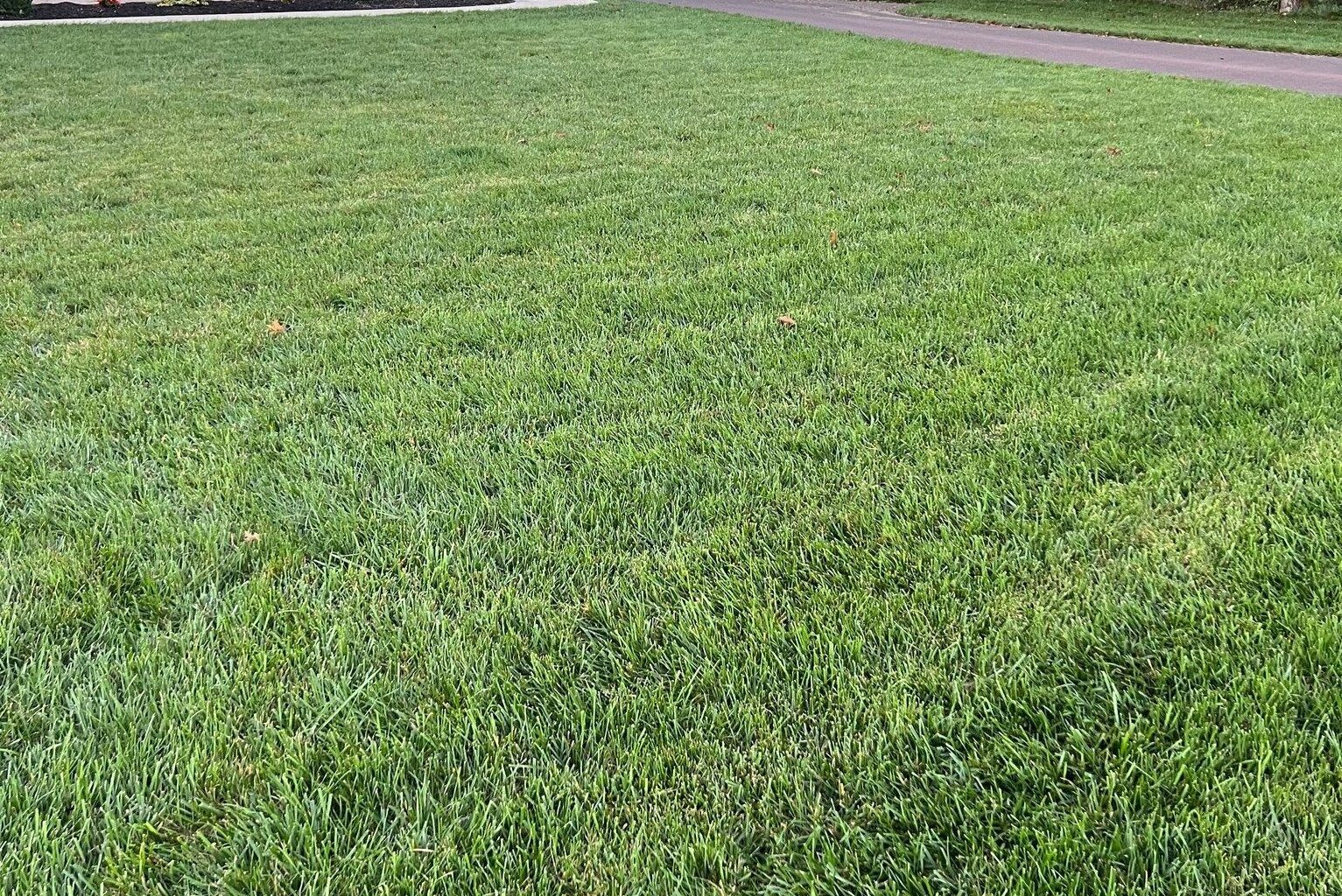
Imagine your lawn, not as a patchy, sad-looking plot, but as a thick, vibrant green carpet that feels amazing under your feet. That dream lawn is totally within reach. The secret? It’s a practice called lawn top dressing.
This technique might just be your ticket to a yard that makes neighbors jealous and gives you the simple satisfaction of walking on truly luxurious grass. Let’s dive into all the benefits of topdressing your lawn and break down the steps to get it done right.
Keep reading to unlock the transformative power of topdressing.
What Is Lawn Topdressing?
Lawn top dressing is a lawn care and gardening method that involves spreading a thin layer of a specially prepared soil mixture over your existing grass.
This soil blend usually contains a mix of materials like organic matter, such as compost, along with sand and other soil conditioners.
The main reason for topdressing is to boost the quality and health of your lawn. It tackles several common problems that can harm the look and vitality of the grass.
This practice has its roots in ancient farming, where farmers would spread manure, compost, or other organic materials on their fields to enrich the soil for better crop growth.
Those early agricultural methods built the foundation for the idea of amending soil to help plants thrive. By the 18th century, topdressing was recognized as a fantastic practice for improving grasslands and lawns.
It later became popular in the United States during the 19th century, especially on golf courses and large estates.
Benefits Of Top Dressing Your Lawn
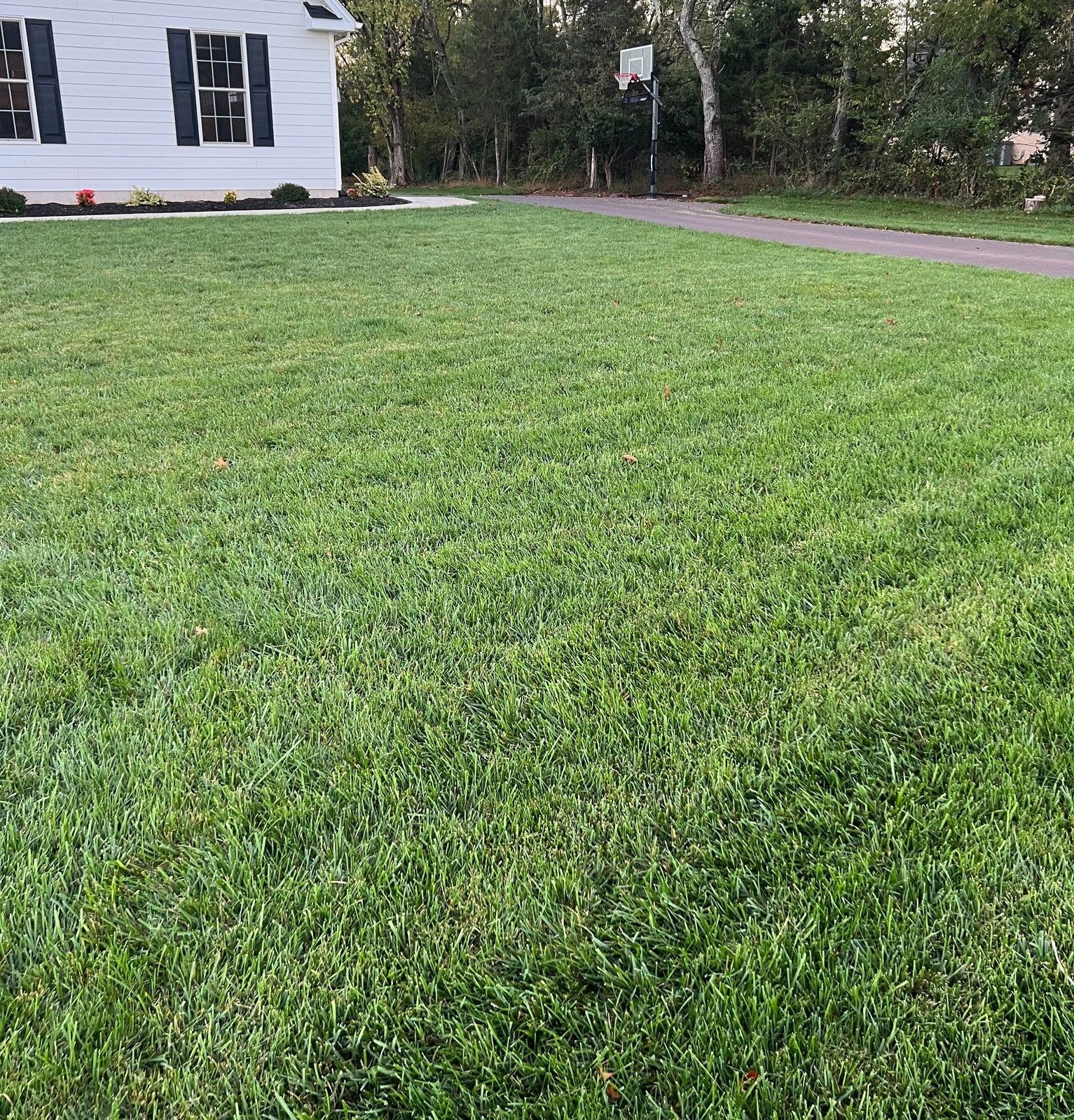
Now you know what topdressing is and where it came from, but what can it actually do for your lawn?
This valuable practice delivers a whole host of benefits that contribute to your grass’s health, appearance, and longevity. Here are the key advantages of top dressing your lawn:
1. Leveling Uneven Terrain
Over time, lawns can develop low spots, divots, or bumpy areas from foot traffic, soil settling, or compaction. When you apply a thin layer of soil mixture, you can fill in these imperfections, creating a smoother and more uniform lawn surface.
Leveling your lawn with topdressing also simplifies mowing and maintenance, improves drainage, prevents erosion, and encourages consistent grass growth.
2. Thatch Reduction
While a little bit of thatch is normal and even good for your lawn, too much can cause major issues. An excessive thatch layer can prevent water, air, and nutrients from reaching the soil. It can also block soil aeration, create a welcoming home for pests and diseases, and lead to soil compaction.
A lawn choked with thatch often has a spongy or lumpy feel. The good news is that topdressing helps break down and decompose this thatch layer, allowing for better absorption of essential elements and promoting healthier turf.
3. Improving Soil Quality
The soil mixture used for top dressing is often packed with organic matter and other amendments that enrich the soil with vital nutrients. This process enhances the soil’s structure, making it healthier and a better environment for plant growth.
4. Enhancing Lawn Density
Top dressing stimulates the growth of new grass shoots, which helps fill in sparse or bare patches across your lawn. Over time, this leads to a thicker, denser, and more luxurious carpet of grass.
5. Stimulating Root Growth
The extra nutrients provided by the top dressing mixture encourage the grass roots to grow deeper. This not only improves the overall health of the grass but also makes your lawn more resilient against drought and other environmental challenges.
6. Enhancing Lawn Health
By improving the soil quality and reducing the thatch layer, your lawn becomes much more resistant to diseases and pests. This can reduce the need for chemical treatments, resulting in a more environmentally friendly lawn.
7. Improved Drought Resistance
With the deeper roots that result from top dressing, your lawn’s ability to handle drought conditions gets a serious boost. Deeper roots can access water and nutrients further down in the soil, which means the grass is less dependent on frequent watering.
8. Long-Term Soil Enrichment
Depending on the materials you use for your top dressing, you can significantly enrich your lawn soil for the long haul. It’s a sustainable practice that provides lasting benefits and contributes to the overall health of your soil.
9. Aesthetic Improvement
After you top dress your lawn, it will appear more even, lush, and visually striking. Do not forget that a healthy, well maintained lawn can also increase the value of your property.
When Is the Best Time to Top Dress A lawn?
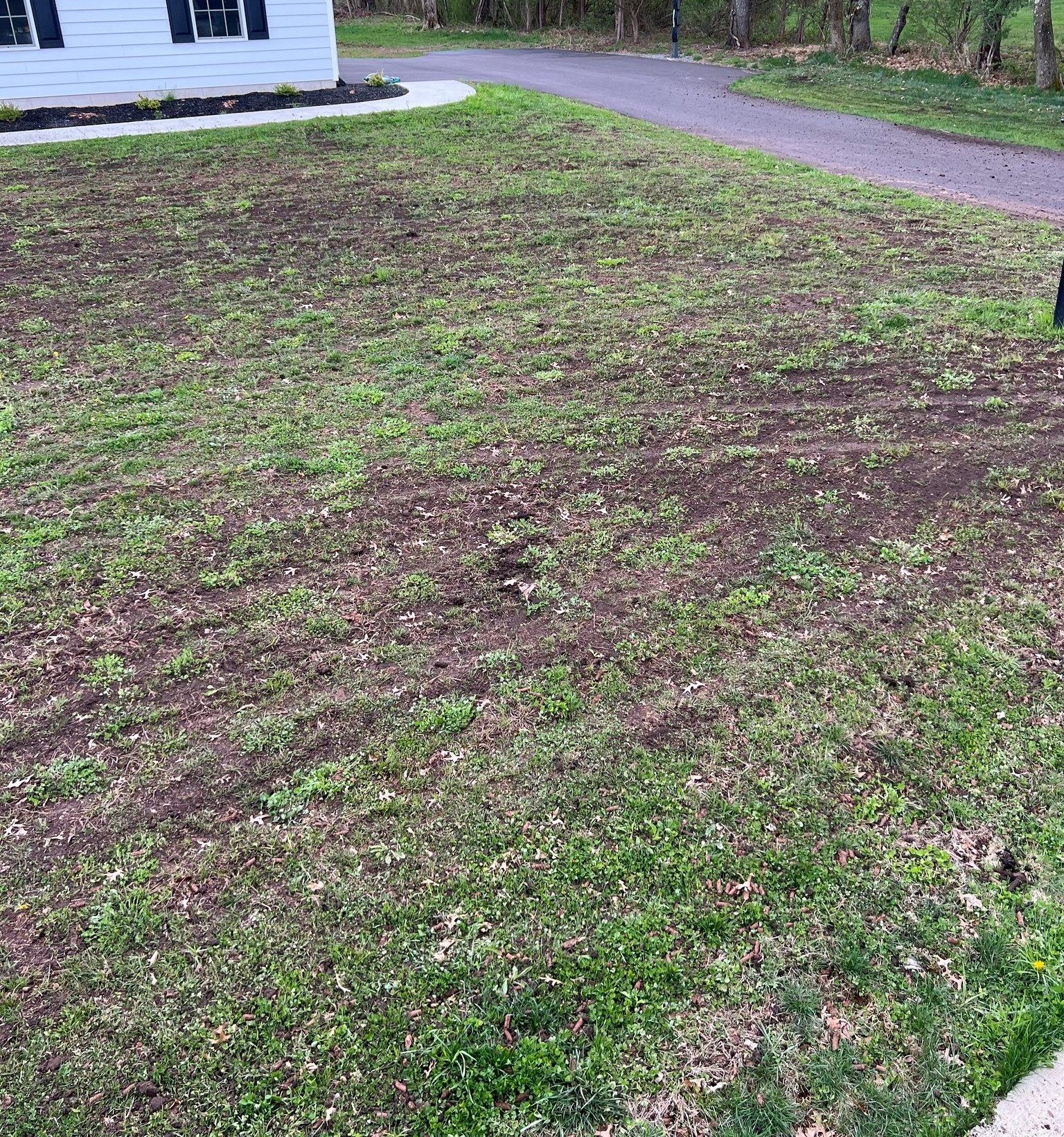
You can top dress your lawn at any point, as long as it’s during the growing season. The ideal time, however, is determined by your specific type of grass.
For cool season grasses like Kentucky bluegrass, fescue, and ryegrass, the best time for top dressing is early spring. You want to do it when the grass is growing actively but before summer’s intense heat sets in. This window is typically between late March and early April.
Top dressing in early spring gives the grass plenty of time to recover and grow through the new soil mixture. It also helps repair any winter damage and preps your lawn for a strong growing season.
You can also top dress both cool season and warm season grasses in early fall, usually around September, when the weather is milder and the grass is still in an active growth phase.
A fall top dressing helps prepare your lawn for winter by improving root growth and boosting its overall resilience.
For warm season grasses like Bermuda or Zoysia, an early fall application helps them recover from the stress of the hot summer months.
Since top dressing gradually raises the grade of your lawn, it’s best to do it only once every few years. Raising the grade too much can lead to erosion and drainage problems.
Best Material for Topdressing a Lawn
The material you choose to topdress your lawn will ultimately shape the results. Your decision should be based on your lawn’s current soil condition and what you hope to achieve. The most common materials for top dressing are compost, sand, or a blend of the two.
Compost is fantastic for adding organic matter and nutrients to the soil. It improves soil structure, enhances moisture retention, and provides a slow release of food for your grass. It’s especially useful for addressing poor soil quality and promoting overall soil health.
On the other hand, sand is the go to choice if you need to level your lawn’s surface, fix uneven areas, correct poor drainage or compaction, or improve soil structure. A mix of compost and sand is a very popular option because it delivers the benefits of both materials.
Use a blended mix when you want to improve both soil quality and the smoothness of your lawn’s surface, or if you are looking for a balanced approach to your lawn care needs. A blended mix is also a great solution if your lawn has a combination of issues, like thatch buildup and uneven terrain.
How to Top Dress a Lawn
Top dressing your lawn can be a bit labor intensive and tedious, but it is certainly a manageable project. Here is how you can do it correctly.
Tools and Materials
You will need your top dressing material, which could be compost, sand, or a blend. You will also want a rake or a leveling tool, a wheelbarrow for moving the material, and a shovel for spreading it. A soil test kit is optional but highly recommended.
1) Prepare the Lawn
Start by mowing your grass to a height that doesn’t remove more than one third of the grass blades. This allows the top dressing material to penetrate better and reduces stress on the grass.
2) Choose the Top Dressing Material
Select the right top dressing material based on the specific needs of your lawn.
3) Calculate the Amount Needed
Figure out how much top dressing material you will need by calculating the square footage of your lawn. This ensures you buy the correct amount of material for the job.
4) Apply the Top Dressing Material
Begin by spreading a thin, even layer of the top dressing material across your lawn, making sure it is no thicker than half an inch. You can use a shovel and wheelbarrow to spread it by hand, or use a drop spreader or broadcast spreader for more even distribution.
5) Spread and Level
Use a rake or leveling tool to spread and level the material evenly across the lawn. Make sure to work the material down into the grass canopy so that the tips of the grass blades are still visible.
6) Water the Lawn
After you have finished top dressing, give your lawn a thorough watering. Use a garden hose with a sprinkler attachment to ensure moisture is distributed evenly. Water until the top dressing material is completely settled and integrated with the soil below.
7) Monitor and Maintain Your Lawn
Keep an eye on your lawn’s progress after top dressing. The grass should start to grow up through the new layer of soil. Continue your regular lawn care routine, including mowing and watering whenever necessary.
Note
While it is an optional step, you should consider doing a soil test before top dressing your lawn. A soil test can help identify the exact nutrient needs of your lawn and guide you in choosing the most appropriate top dressing material.
SummaryTopdressing a lawn can provide a wide range of benefits, from enhancing soil quality and reducing thatch to creating a more level, dense, and beautiful yard. Consider top dressing as a way to work toward the lawn you have always wanted.