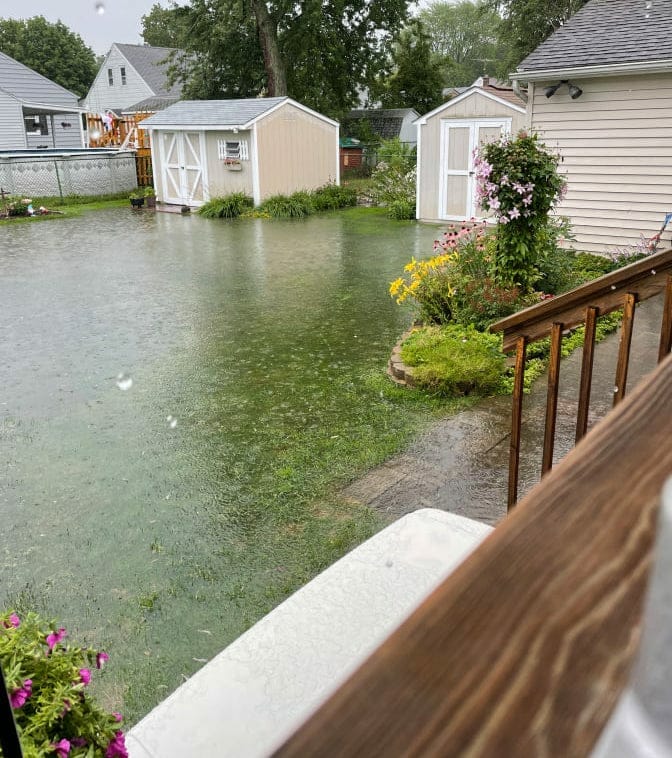
Ever step into your yard after a good rain and find yourself in a surprise ankle-deep pond? Or maybe you’ve seen your prized flowerbeds turn into a muddy river during a downpour. If that sounds familiar, you know just how frustrating and costly poor yard drainage can be. Soggy lawns don’t just look bad; they can lead to serious trouble for your home’s foundation and create a host of other problems.
This guide will walk you through the common culprits behind drainage disasters and explore the best ways to fix them. Let’s get your yard back on solid ground.
What Causes Poor Drainage In Yard?
Drainage problems really show their true colors during the rainy season, putting your home at risk and creating a headache of financial, health, and safety issues. Before you can tackle the problem, you have to figure out what’s causing it. Focusing your efforts on the wrong thing won’t get you anywhere.
Here are the usual suspects when it comes to a waterlogged lawn.
1. Soil Composition
Compacted soil is a major cause of poor drainage. When the ground becomes too dense, it blocks water from soaking in. The tiny spaces between soil particles shrink, making it nearly impossible for water to penetrate.
As a result, water just pools on the surface or runs off, which can lead to erosion and standing water. Certain soil types, like clay and silt, are naturally prone to compaction. But soil type isn’t the only factor. While compaction can happen on its own over time, it’s often the result of human activity, including heavy foot traffic, construction work, and the use of machinery.
2. Sloped Yard

Your lawn should ideally have a slight, gentle grade that encourages water to flow away from your house and toward a proper drainage point. If your yard is too flat, water has nowhere to go. It just sits there, unable to move naturally.
When this happens, rain and irrigation water collect in low spots instead of draining away, creating puddles or even minor flooding. A yard that’s excessively flat can also lead to waterlogged soil, which is a death sentence for many plants and an open invitation for mold and other unwelcome microorganisms.
3. Insufficient Vegetation
The plants in your yard play a crucial role in water management. Their roots absorb moisture from the ground, which is then released into the air through their leaves in a process called transpiration. This natural cycle helps keep soil moisture levels in check and prevents water from pooling on the surface.
Vegetation also contributes to healthy soil by providing organic matter and supporting beneficial microbes. So, a yard with few or no plants is missing out on this natural water-wicking system, which can directly contribute to drainage problems.
4. Blocked Or Insufficient Drainage Systems
A good drainage system is essential for managing water in your yard. Gutters, for instance, are designed to collect water from your roof and direct it safely away from your home’s foundation. Swales and pipes do a similar job for surface water on your lawn, guiding it to a storm drain or retention pond.
These systems are great, but they only work when they’re in good shape. If your drainage systems are blocked, damaged, or simply not adequate for the job, you’re going to have problems. Water will back up and collect around your foundation, roof, or other areas, leading to everything from waterlogged soil and erosion to significant water damage.
5. Landscaping Features
Sometimes, the very features designed to beautify your yard can be the source of your drainage woes, especially if they weren’t designed and installed with water flow in mind.
Here are a few landscaping elements that can disrupt your lawn’s drainage.
a) Retaining walls
Retaining walls are often used to create level terraces on sloped properties. But if a wall is built too high or without proper drainage behind it, water can get trapped, leading to waterlogged soil and erosion.
b) Paved Surfaces
Think carefully before adding paved surfaces like driveways, walkways, or patios. These non-porous areas prevent water from soaking into the ground, which can create significant runoff and drainage issues if not planned for correctly.
c) Plant Beds
While plant beds can improve drainage by encouraging water absorption, they can also cause problems. Excessively large or poorly placed beds can trap water, causing pooling and waterlogging in surrounding areas.
d) Berms
Berms, which are raised mounds of soil, can add visual appeal to your landscape. However, if they aren’t designed and installed properly, they can act like dams, blocking the natural flow of water and creating drainage headaches.
6. Climate And Weather Patterns
Sometimes, your yard’s drainage issues are simply a product of the season. A period of heavy, sustained rainfall or a rapid snowmelt can easily overwhelm your lawn’s ability to drain, causing water to accumulate if it can’t escape quickly enough.
How To Fix Yard Drainage Issues
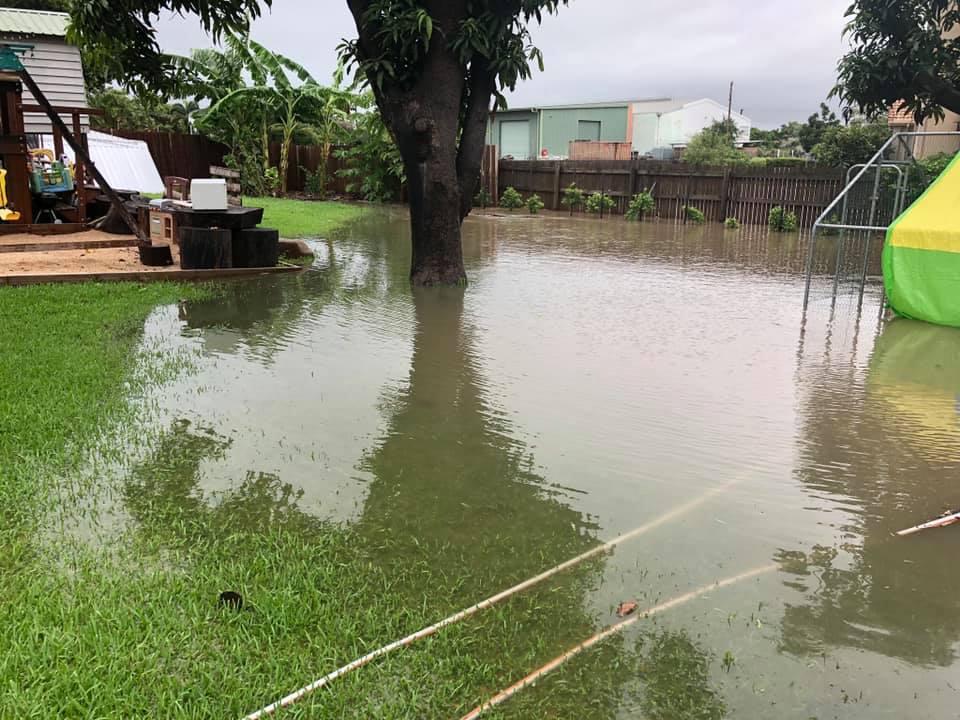
After you’ve identified what’s causing the soggy spots in your yard, you can start planning your attack. Here are several effective strategies for improving your lawn’s drainage and solving the problem for good.
1. Aerate Your Lawn

Aerating your lawn involves creating small holes in the soil. This simple process helps break up compacted earth, making it much easier for water to be absorbed. While regular aeration is a great maintenance practice, it’s important to know that it might not be enough to solve severe drainage problems on its own.
2. Putting Compost
If your drainage problem is relatively minor, adding compost can make a big difference. Compost introduces rich organic matter into the soil, which helps create larger pores for better water infiltration. On top of that, compost improves the soil’s ability to retain water, meaning more moisture gets absorbed and less of it runs off the surface.
3. Plant Water-Loving Plants

Putting plants that thrive in wet conditions to work in your yard can significantly improve drainage and help soak up excess water. Some fantastic options include:
a) Cattails
These are the classic wetland plants you see growing in areas with standing water. With their long stems and leaves, cattails are pros at absorbing excess moisture.
b) Marsh Marigold
This perennial is happiest in wet soils and partial shade. Not only does it help with drainage, but its cheerful yellow flowers will also brighten up your yard every spring.
c) Cardinal Flower
With its vibrant red blooms, the cardinal flower is a real showstopper. It loves moist soil and a bit of shade, making it a perfect choice for those consistently damp spots in your lawn.
d) Joe Pye Weed
Joe Pye weed is another great pick that enjoys full sun and moist soil. It produces large, pinkish-purple flowers and can reach heights of up to 8 feet.
e) Swamp Milkweed
This plant features lovely, fragrant flowers in shades of pink or white and flourishes in wet environments.
4. Create a Rain Garden
You can transform a low, soggy area of your lawn into a beautiful and functional rain garden. By planting a selection of water-loving species, you create a dedicated space designed to capture rainwater runoff. The garden allows the water to infiltrate the soil slowly, which drastically reduces runoff and helps solve drainage issues.
Beyond its practical benefits, a rain garden creates a welcoming habitat for wildlife like birds, bees, and butterflies, boosting your local ecosystem. It’s also a stunning landscape feature that adds color and texture, serving as a natural transition between your lawn and other areas.
5. Extend Downspouts

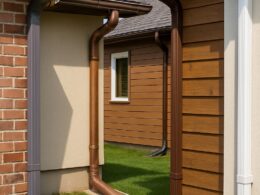
This is a quick and effective fix for drainage problems originating from your roof’s gutter system. By extending your downspouts, you can carry rainwater far away from your property’s foundation, preventing it from pooling where it shouldn’t.
This simple adjustment diverts water from both your foundation and your yard, which stops it from seeping into your basement or crawlspace. Plus, preventing water from collecting around your foundation significantly reduces the risk of flooding during heavy storms.
6. Use A French Drain

A French drain is a clever system that collects and channels water away from problem areas like your yard or garden. It’s an excellent solution for spots that are prone to flooding or water buildup. You can even customize a French drain to fit a specific location and connect it with other systems, like a sump pump, for maximum effectiveness.
The system consists of a trench filled with a porous material, like gravel, that allows water to flow easily to a designated exit point, stopping it from pooling on the surface.
7. Develop A Creek Bed

You can turn a perpetually soggy spot into an attractive feature by creating a dry creek bed or drainage swale. Built with rocks and gravel, a creek bed is designed to collect water from low-lying areas and redirect it, controlling the flow. It also adds a lot of visual appeal, mimicking the natural look of a small stream or river.
For a creek bed to work efficiently, it’s crucial to choose the right location, size, and materials. Regular maintenance, like clearing out any built-up sediment or debris, is also key to keeping it functioning properly.
8. Install A Dry Well
A dry well is an underground drainage solution built to handle excess water in your yard. It’s essentially a large, buried chamber filled with gravel that collects runoff. The water is then held in the chamber and allowed to slowly seep into the surrounding soil, which improves drainage and prevents water damage.
Proper installation is critical for a dry well to function correctly, so if you’re not comfortable with the project, it’s best to have a professional landscaper handle it.
Conclusion
You shouldn’t approach your yard’s drainage issues with a one-size-fits-all solution. The right fix depends entirely on the cause and the severity of the problem. You can handle minor issues yourself with a little effort, but for bigger projects like installing a French drain or a dry well, calling in a professional landscaper is often the smartest move.