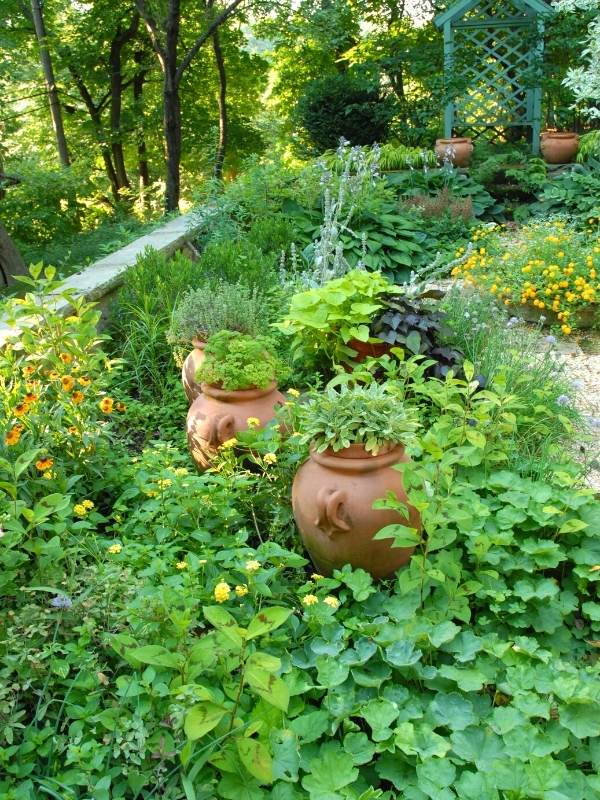
Imagine a garden that practically takes care of itself, offering up fresh, fragrant herbs every single spring. Planting perennial herbs is like giving your garden a gift that keeps on giving. You get to enjoy all the culinary and medicinal wonders of these plants season after season with just a little bit of effort. Here are 20 of the absolute best perennial herbs you can plant just once and harvest for years to come, and all the reasons they deserve a spot in your garden or a container on your patio.
What is a Perennial Herb?
Perennial herbs are plants that establish themselves in your garden and come back for several years without needing to be replanted. When spring arrives, you will see your perennial herb either sprout anew from the ground or grow fresh leaves after the winter.
This is different from annual herbs, which live for only one season before they die off. With annuals, you have to plant new seeds or seedlings every year.
Benefits of a Perennial Herb Garden
If you have ever had the pleasure of growing perennial herbs, you already know how much they produce for what feels like very little work. For those new to the game, or as a happy reminder, here are some of the fantastic advantages of a perennial herb garden:
Perennials Are Less Work Than Annuals
By their very nature, perennial herbs return each year without any extra effort from you. The usual spring gardening tasks like preparing beds, starting seeds, and planting just do not apply to these established plants. You might need to do a bit of light weeding and trimming, but for the most part, you can just sit back and watch them reappear year after year.
Perennial Herbs Offer A Reliable Harvest Every Year
Perennial herbs provide a dependable harvest for their entire lifespan, so you can count on having fresh rosemary for your cooking every summer. If you move them indoors to stretch the season, you can even continue harvesting into the winter. While many annuals offer no guarantee they will sprout or thrive, you can rely on your perennial herbs to be consistent performers, barring any major disasters.
No Digging Or Tilling Is Better For Soil
Since perennial herbs grow back in the same spot, the soil is left undisturbed by tilling equipment for years at a time. This is great for soil health. The topsoil is full of vital bacteria, microorganisms, and nutrients that are often destroyed by tilling. Perennial herbs allow the soil’s ecosystem to develop and grow stronger, which contributes to a healthier garden overall.
Perennial Herbs Can Mark Out Your Garden And Define Beds
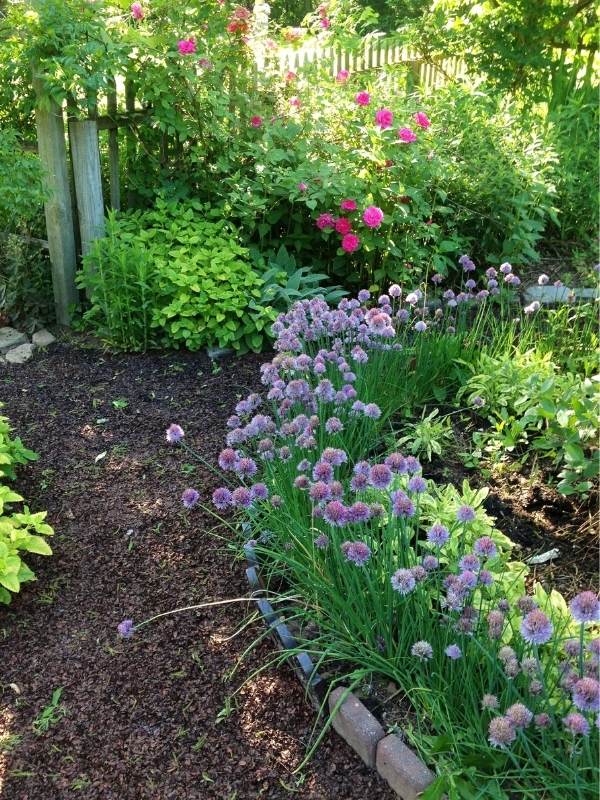
Perennial herbs serve as excellent anchors in your garden design. They can be used to outline the edges of beds or mark the start of rows. Each spring, when your garden might look a bit disorganized, your perennials can help restore a sense of order and guide your planting plan.
They Extend Your Harvest Into The Spring And Fall Months
Many perennial herbs produce harvests during the cooler transitional seasons of spring and autumn. This allows you to extend your harvesting period to nearly year-round. As mentioned earlier, you can also bring many potted perennials inside for the winter and enjoy fresh herbs even in the coldest months.
Perennial Herbs Will Become An Aesthetic Feature Of Your Garden

Beyond mapping out your garden, perennial herbs also add to its beauty. Many offer ornamental qualities in addition to their practical uses. Creeping thyme, for example, is often celebrated for its low-growing foliage that creates a lush carpet, spilling beautifully over pots, raised beds, and stone walls.
They Bring Pollinators Back Every Year
When pollinators emerge each spring, your perennial herbs will offer some of the first blooms. This attracts them to your garden early, ensuring your annual plants get pollinated. Many herbs are incredibly fragrant and are favorites of bees and butterflies, turning your garden into a welcoming haven for pollinators year after year.
They Are Versatile Companion Plants That Effectively Deter Insects
The strong scents of many perennial herbs do more than just attract beneficial insects and pollinators; they also actively repel many common garden pests. A variety of annual vegetables thrive when planted next to perennial herbs as companion plants. These herbs can act as a natural form of pest management, keeping your garden healthy without the need for chemicals.
20 Perennial Herbs That Will come back on its own every year
Here is a list of our 20 favorite perennial herbs, each worth growing for its beauty, medicinal properties, or culinary flair, and sometimes all three!
1. Oregano
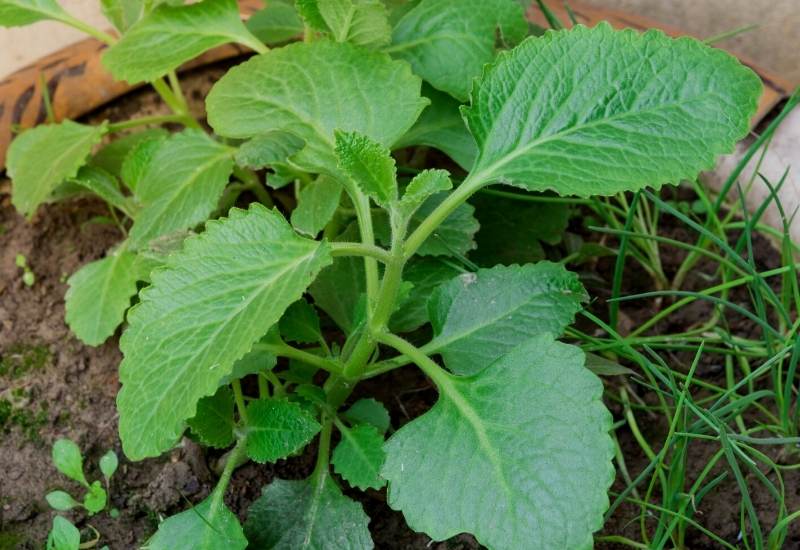
Oregano is a tough perennial herb that yields small, edible purple or white flowers that are a magnet for pollinators. Its zesty flavor makes it a popular companion plant for vegetables because it deters pests, especially the cabbage butterfly. You can expect a great harvest for about four years, after which the leaves may become less flavorful. Oregano self-seeds easily, so let the plant flower and complete its life cycle to see new plants emerge the following year.
Planting and Care: Plant in full sun using seeds, cuttings, or transplants. Space them 8-10 inches apart in loamy, well-draining soil. Oregano is drought-tolerant, so water it infrequently, but give it a deep soaking when you do. Regular trimming and harvesting will encourage a bushier growth habit.
How to Harvest: Once the plant reaches 4 inches tall, you can regularly snip sprigs near the base throughout the season.
Varieties to Grow: Greek Oregano for cooking, and Common Oregano for its ornamental flowers.
2. Thyme

Thyme is a low-growing, woody perennial featuring many small, oval-shaped leaves with a potent aroma and taste. After about four years, the plant will become less productive and you might notice its stems have grown woody. At this stage, you should take cuttings to start new plants. Thyme’s low-growing and low-maintenance nature makes it an excellent choice for container gardening.
Planting and Care: Plant thyme from transplants or cuttings in the spring after all danger of frost has passed, as it is difficult to grow from seed. Choose a spot with nutrient-rich soil that has excellent drainage and receives full sun and heat. Be careful not to overwater, as thyme thrives in drier conditions.
How to Harvest: For the best leaf flavor, harvest just before the plant flowers by cutting off the top few inches of growth. The flowers are also edible and can be harvested for culinary use.
Varieties to Grow: Creeping Thyme, Lemon Thyme, and ‘Silver Queen’.
3. Sorrel

Sorrel is a herbaceous perennial that is often grown as both a leafy green and an herb. Its young leaves taste like a tangier version of spinach. As sorrel matures, its leaves develop a much stronger flavor and are used as an herb. The plants will die back completely in the winter and re-emerge with fresh leaves in the spring.
Planting and Care: Plant sorrel in a location that gets full sun, though it can tolerate partial shade. Sorrel prefers fertile soil that retains some moisture, making vermiculite a good amendment. Mulch the soil surface and water semi-frequently to keep the soil lightly moist, but avoid waterlogging the plant or creating muddy conditions.
How to Harvest: Young leaves can be picked throughout the growing season for salads. The longer you wait to harvest, the more intense the flavor will become.
Varieties to Grow: English or Garden Sorrel, and French Sorrel.
4. Sage
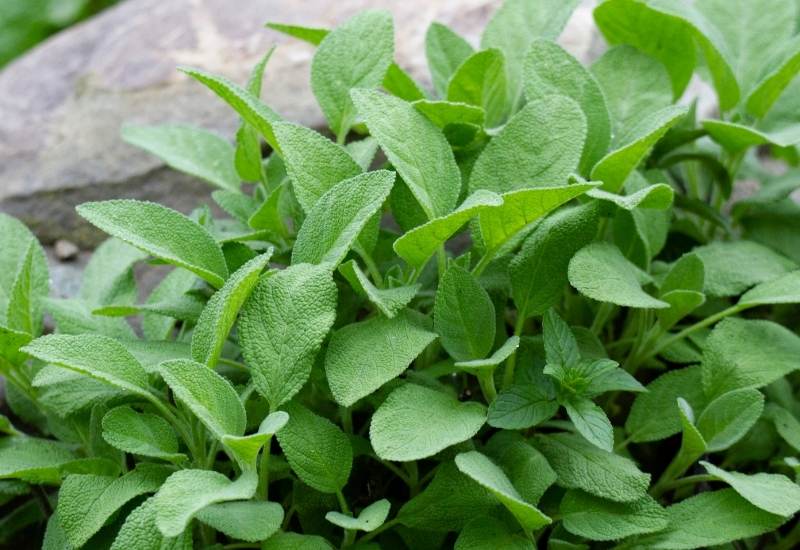
Sage, also known as Salvia, is a woody perennial with hundreds of varieties used for culinary and medicinal purposes. The leaves are typically a grey or silver-green, and the plants produce tall, lupin-like flowers in shades of pink, purple, white, or blue. Some sage varieties are annuals, so be sure to select a perennial type to enjoy this beautiful plant’s return each season.
Planting and Care: Plant sage in a spot that receives full sun. Keep seedlings moist until they are well-established, after which you can water less frequently. Sage thrives in nutrient-rich, slightly acidic soil. Prune the woody stems in the spring to promote fresh growth.
How to Harvest: Avoid harvesting during sage’s first year. In its second year, you can snip leaves as needed. If you plan a large harvest, limit it to just a few times per season.
Varieties to Grow: ‘Tricolor Sage’, ‘Purple Garden Sage’, and ‘Golden Sage’.
5. Rosemary
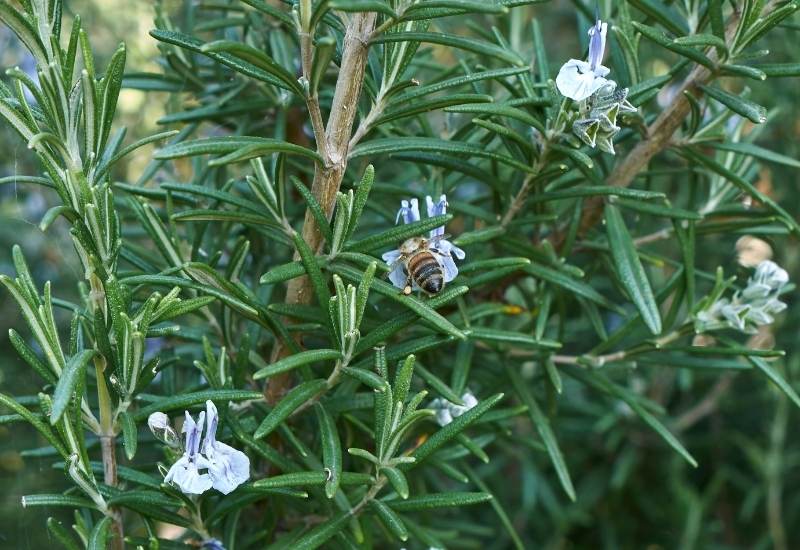
Rosemary is a perennial shrub from the Mediterranean, widely used in cooking. In the right conditions, rosemary can grow into a large bush, producing more than any home cook could possibly use. In hot climates, it can be grown outdoors year-round. However, if you live in a region where winter temperatures drop below freezing, you should grow rosemary in a container that can be brought inside for protection.
Planting and Care: Rosemary is challenging to grow from seed, so it is best to start with transplants or cuttings. Plant them in slightly acidic, sandy, or loamy soil with excellent drainage. Rosemary is drought-tolerant and dislikes too much moisture, so be careful not to overwater. Prune the plant to control its shape and direct its growth.
How to Harvest: Use scissors to harvest young stems, and always leave at least two-thirds of the plant intact to allow for recovery.
Varieties to Grow: ‘Blue Boy’, ‘Tuscan Blue’, and ‘Spice Islands’.
6. Lavender

Lavender, another Mediterranean native, is famous for its unique scent, which is used in everything from soap to medicine. Its sprigs also have culinary applications, especially in baked goods. It features silvery-grey leaves and is easily recognized by its tall purple flowers, which are adored by pollinators. With proper pruning, lavender bushes can live for 5 to 15 years, depending on the variety.
Planting and Care: Plant lavender as a transplant in the spring in well-draining soil. Lavender is a hardy plant and can tolerate poor soil conditions, but it is crucial that the soil is not waterlogged. Water young plants often, but once they are mature, they only need watering every couple of weeks. Mulch over the winter or bring the plant indoors.
How to Harvest: Harvest lavender when half of the flowers are in bloom by cutting the stems as low as possible. For the best aroma, harvest in the morning.
Varieties to Grow: English Lavender is a long-lasting species, while French Lavender has a distinctive flavor.
7. Roman Chamomile

Unlike German chamomile, Roman chamomile is a perennial herb that will regrow from the same root system year after year. Often used in teas, chamomile has been a medicinal herb for centuries, known for its calming properties. The flowers are the most commonly harvested part of the plant and look much like slightly larger daisies when they are in bloom.
Planting and Care: Plant chamomile from seeds, cuttings, or transplants in fertile soil where they will receive partial shade. Chamomile is very low maintenance. Once established, it is quite drought-tolerant and should only need watering every couple of weeks. It does not require fertilization.
How to Harvest: Harvest chamomile flowers when they are fully bloomed and the petals are completely extended. Snip the flower heads with about an inch of stem and allow them to dry for a couple of weeks before use.
Varieties to Grow: Roman Chamomile, which is also known as Russian or English Chamomile.
8. Tarragon
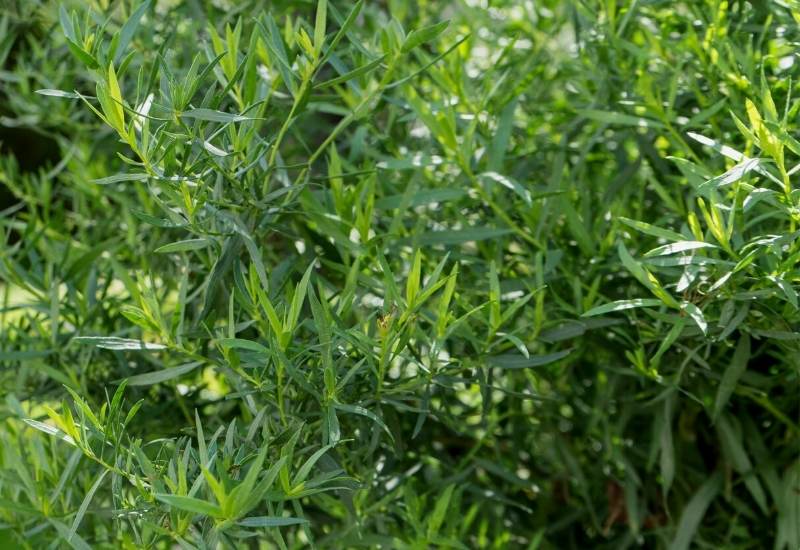
Both French and Russian tarragon are perennial herbs, but the French variety is more flavorful and better suited for culinary use. Tarragon plants can grow to be about 2-3 feet tall and have long, light green leaves. Most tarragon plants will live for around 3-4 years before they need to be replaced.
Planting and Care: Plant tarragon transplants in the spring in sandy soil and in a location that gets full sun. It dislikes wet soil, so water it infrequently. Harvest often to encourage new growth.
How to Harvest: Harvest leaves as needed by snipping off stems and leaves.
Varieties to Grow: French Tarragon.
9. Marjoram
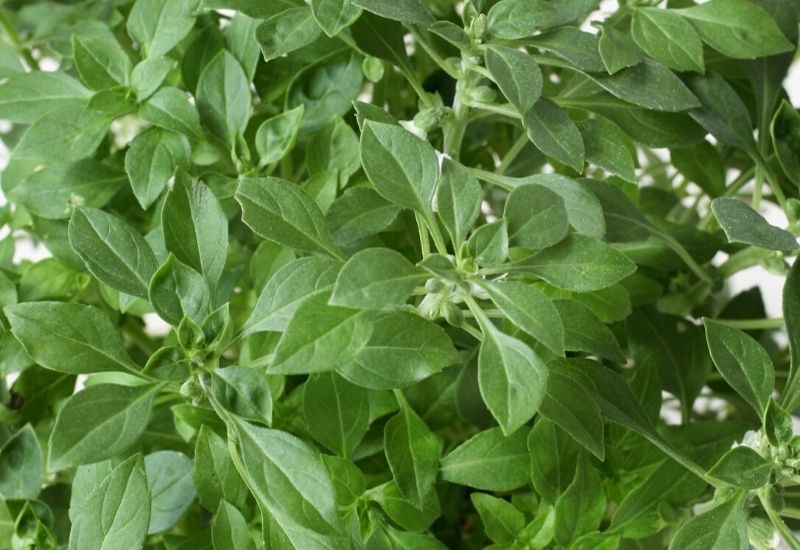
Marjoram is a low-growing perennial that is a close relative of oregano. It is frequently used as a companion plant because it attracts beneficial insects like pollinators while deterring pests. In colder climates, it is often treated as an annual since it will die in freezing temperatures, but it can be brought indoors to survive. Marjoram grows very well in containers, so if you live in a region with harsh winters, consider growing it in a pot or window box.
Planting and Care: Marjoram requires full sun to flourish and should be planted in well-draining soil to prevent soggy roots. Water when the soil is dry. Pluck away flower buds as they appear to encourage fresh leaf growth.
How to Harvest: Snip off sprigs and leaves as needed throughout the season once the plant is fully established.
Varieties to Grow: Sweet Marjoram and Variegated Marjoram.
10. Mint
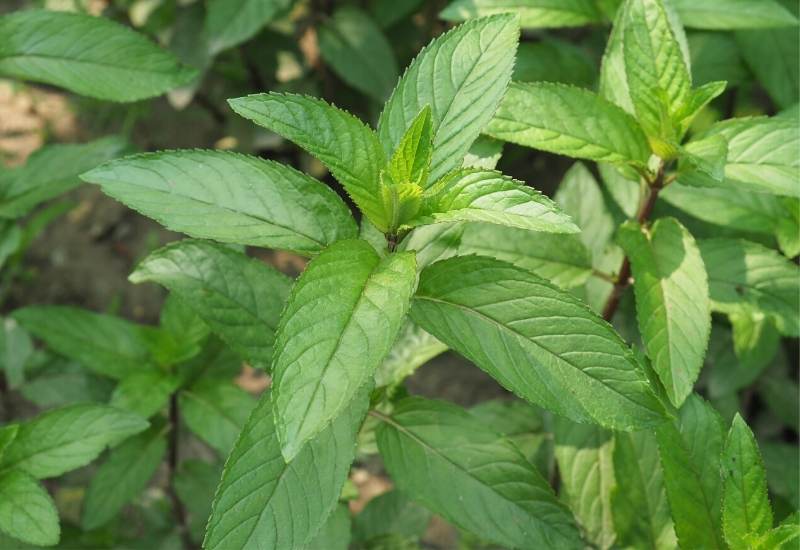
Mint is one of the most well-known backyard perennials, often returning with such enthusiasm that it can become invasive. Because of this, it is a smart idea to grow mint in a pot or a raised bed to help contain its spread. There are hundreds of mint varieties, each with its own unique flavor and characteristics, but they generally have green leaves with scalloped edges.
Planting and Care: Mint can be easily propagated from cuttings. It should be planted in rich soil with good drainage and can handle partial shade. Mint likes moist soil, but make sure it doesn’t become waterlogged. Add a layer of mulch around the base of the plants to help retain moisture.
How to Harvest: Harvest sprigs as needed by cutting near the base of the plant. Younger leaves have a stronger flavor than older ones.
Varieties to Grow: Spearmint, Peppermint, Chocolate Mint, and Apple Mint.
11. Yarrow
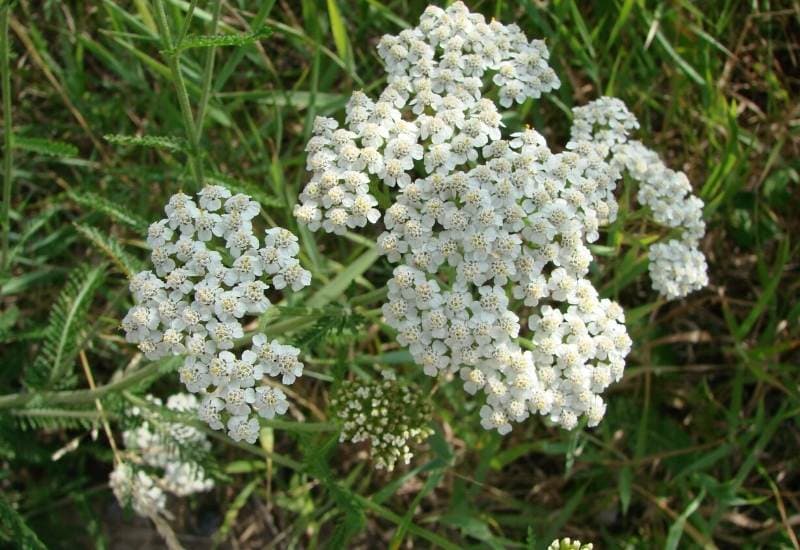
Yarrow is a low-maintenance addition to your perennial herb garden, with flowers that are sure to attract pollinators. Yarrow flowers come in yellow, white, pink, and even red, adding ornamental value and serving as a great way to define edges and borders in your garden. It can grow quite vigorously, so it should be pruned occasionally to prevent it from taking over your space.
Planting and Care: Plant yarrow in the spring in a location that receives full sun and in soil with good drainage. Yarrow prefers hot and dry conditions, so water it infrequently. Deadhead the flowers to encourage new blooms.
How to Harvest: Harvest full stems with the flowers intact and hang them upside down to dry. The flowers and leaves can be dried and used as herbal remedies or spices, and the leaves can also be eaten fresh.
Varieties to Grow: ‘Coronation Gold’, ‘Apple Blossom’, and ‘Moonshine’.
12. Lemon Balm
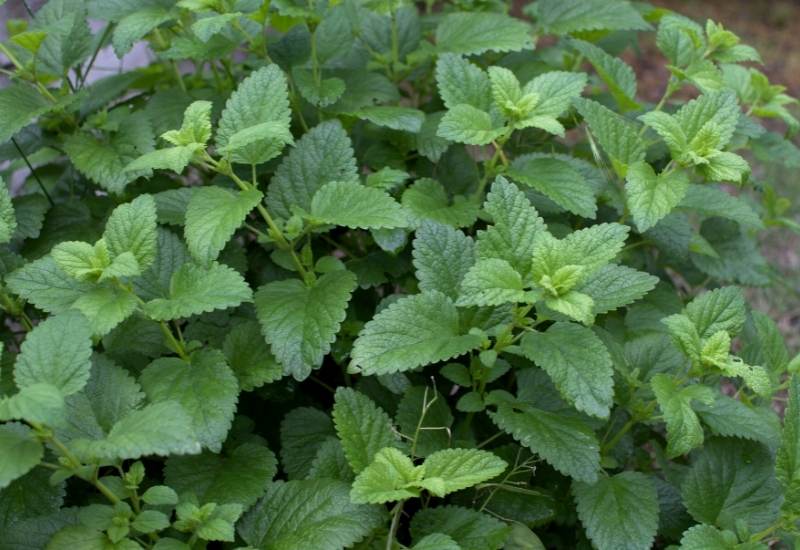
As a member of the mint family, lemon balm is a popular perennial herb that many gardeners already cultivate. It spreads rapidly, so you might want to grow it in a pot to contain and manage its growth. In addition to being a perennial, it self-seeds with great vigor. Be sure to cut back the blooms if you do not want a surplus of new plants next season. The leaves offer a mild, lemony flavor and are used for both culinary and medicinal purposes.
Planting and Care: Plant lemon balm cuttings in the spring in rich, well-draining soil. Lemon balm thrives in full sun but can tolerate partial shade. In very hot climates, it will actually benefit from some afternoon shade. Like mint, lemon balm enjoys moisture and should be watered frequently, but do not let the soil become soggy.
How to Harvest: Harvest sprigs as needed by cutting the stems at the base of the plant. To allow for regrowth, only harvest about one-third of the plant at a time.
Varieties to Grow: Citronella Lemon Balm, Quedlinburger Lemon Balm, and Aurea Lemon Balm.
13. Bay Laurel
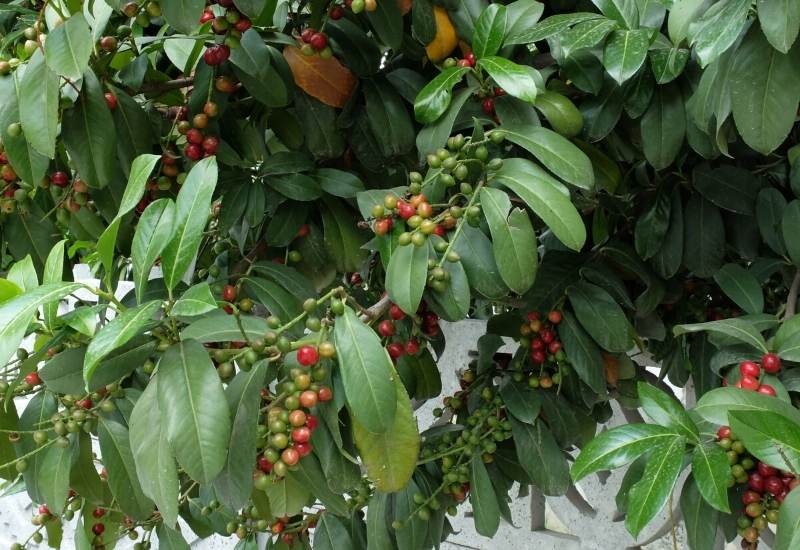
The bay laurel, or bay, tree is an evergreen shrub-like tree that produces leaves commonly used to season stews. With proper pruning, the tree can be kept to a small bush shape and grown in a container. If left untended, however, these trees can grow very tall, reaching up to 60 feet. Bay laurel should only be planted in the ground in warm climates. If you experience freezing winter temperatures, you should keep it in a container that can be moved indoors. Although it is safe for humans, bay laurel is toxic to many animals, so keep your cats, dogs, and horses away from this plant.
Planting and Care: Plant in the spring in slightly acidic soil that is rich in organic matter and drains well. Bay laurel prefers full sun but is also shade-tolerant. It should be pruned in the spring to ensure it remains a manageable size.
How to Harvest: Leaves can be harvested from plants that are at least two years old, and the tree can withstand heavy picking. Dry the leaves for a few weeks before using them as a spice.
Varieties to Grow: ‘Angustifolia’ and ‘Saratoga’.
14. Rue
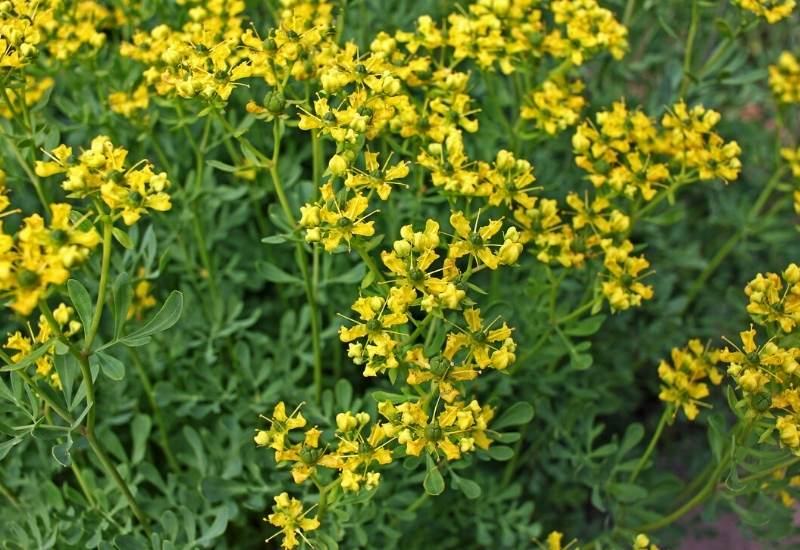
Rue is an evergreen herb that has been cultivated for centuries. It has numerous uses in traditional medicine. Although the leaves are very bitter, it is used in certain spice mixes and cuisines. It is poisonous in large quantities, so consume it with caution. As a garden herb, it is an excellent companion plant due to its ability to deter pests like moths and fly larvae.
Planting and Care: Plant seeds in the spring and keep them moist until established. After that, they only need to be watered about once a week. Rue grows best in rich, fertile soil with good drainage and in a spot that receives full sun.
How to Harvest: Harvest rue before it flowers and in the morning, when its essential oils are most potent. The sap can cause irritation, so it is important to wear gloves.
Varieties to Grow: ‘Fringed Rue’ and ‘Jackman’s Blue’.
15. Hyssop

Hyssop is another perennial herb that has been used for hundreds of years. It is a member of the mint family and is grown for its leaves and flowers. It has a sweet aroma and a slightly bitter flavor, making it suitable for both medicinal and culinary uses. The flowers are arranged in tall, purple clusters that look similar to lavender and are attractive to many pollinators.
Planting and Care: Plant seeds or starts in soil that has been amended with compost or composted manure. Choose a location that gets full sun, though it can tolerate some light shade. Hyssop is low maintenance, pest-resistant, and drought-tolerant, so it can be mostly left to itself throughout the season.
How to Harvest: For the best flavor, snip young leaves and stems. Do not wash them, as this will cause them to lose their essential oils.
Varieties to Grow: ‘Giant Hyssop’ and ‘Anise Hyssop’.
16. Wild Bergamot
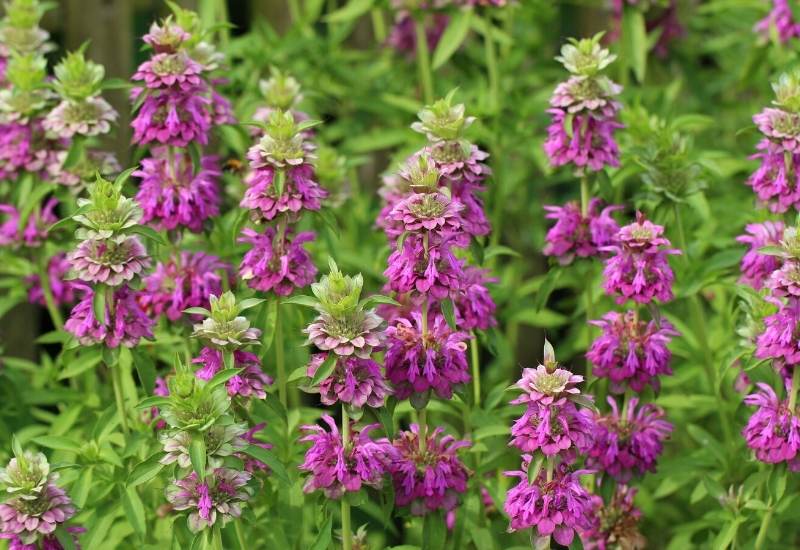
Bergamot, also known as ‘Bee Balm’, is a hardy perennial native to the East Coast of North America. These plants can grow into bushy forms that reach heights of two to four feet. They produce spiky pink or purple flowers that are adored by bees but disliked by mosquitoes. The flowers are edible and can be used in teas or as a garnish. For the healthiest plants, you should replant Wild Bergamot every three years.
Planting and Care: Plant in the spring or fall, leaving enough space between plants for good air circulation. It prefers slightly moist soil, so apply mulch around the plants to improve water retention. Deadhead the flowers to encourage new growth.
How to Harvest: Clip the flower heads when they are in full bloom.
Varieties to Grow: Mintleaf Bergamot and Common Wild Bergamot.
17. Echinacea (Coneflower)

Coneflowers serve as both an ornamental perennial flower and an herb. In some climates, they can bloom from July all the way until the first frost. They belong to the daisy family and look very much like oversized, more colorful daisies. Pollinators such as butterflies and bees, and even songbirds, are fond of coneflowers. They are a wonderful way to brighten up your garden for many seasons. To continue enjoying the colorful summer blooms, replant them every four years or so.
Planting and Care: Plant transplants in the spring, as they will take a couple of years to bloom from seed. Choose a location with full sun and fertile, well-draining soil. Coneflowers are drought-tolerant and should be watered infrequently. Deadhead the flowers to prolong the blooming season.
How to Harvest: All parts of the coneflower are edible. Cut away flowers or leaves depending on your intended use and dry them for a few weeks before using them as an herb.
Varieties to Grow: ‘Bravado’, ‘Butterfly Kisses’, and ‘Hot Papaya’.
18. Valerian
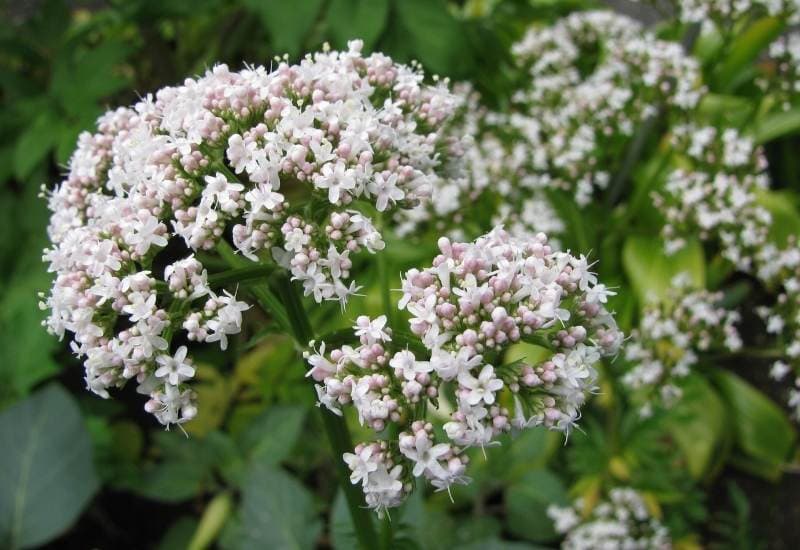
Valerian is a flowering perennial often cultivated for its root, but its flowers are a great way to attract pollinators to your garden. The flowers attract several types of flies that butterflies feed on, making it an excellent plant for a butterfly garden. If you plan to grow valerian for its roots, it is a good idea to plant several plants at once, as there is a risk the plant may not survive a partial root harvest. The flowers have a sweet, vanilla-like scent, and the root is used in teas and capsules as a sleep aid.
Planting and Care: Grow valerian root in well-drained loamy soil, preferably in a spot that receives full sun, though it is shade-tolerant. It prefers a consistent level of light moisture in the soil, so water it semi-frequently. Amend the soil with compost a few times throughout the growing season for an extra boost.
How to Harvest: Harvest the root only in the second year after planting, either in the spring or autumn. Dig out the root, harvest slices, and then replant it. If it does not recover, harvest the entire root before it begins to rot. Wash it thoroughly before drying. Flowers can be harvested in full bloom by cutting the stem just below the flower head.
Varieties to Grow: Mountain Valerian, Sharpleaf Valerian, and Large-flowered Valerian.
19. Marshmallow
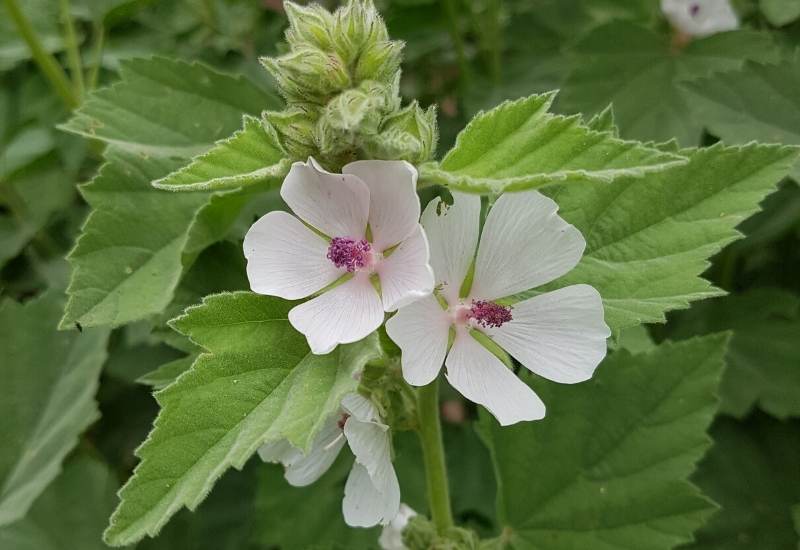
Marshmallow is another herbaceous perennial valued for its root and flowers. The flowers, leaves, and roots are all edible and are typically used for medicinal purposes. And yes, it is the origin of the modern marshmallow candy’s name, a story well worth a Google search! If you are harvesting the root, it is best to plant several plants, as the root is known for helping with respiratory issues.
Planting and Care: Plant marshmallow in a location that receives at least 4-5 hours of morning sun per day and in soil that is slightly acidic. It thrives with plenty of moisture, so water it frequently, but ensure the plant does not sit in standing water.
How to Harvest: It is possible to harvest the roots without killing the plant by digging it up, slicing off a portion of the root material, and then re-burying the crown. However, this can be a delicate process. Dry the roots before using them in teas or other herbal remedies.
20. Sweet Cicely

With all parts of the plant being edible, sweet cicely is an underrated perennial garden herb. This is especially true considering its attractive, fern-like foliage and ornamental clusters of small white flowers. The leaves can be cooked or eaten fresh, the seeds are sweet and can be enjoyed like candy, the flowers attract bees and other pollinators, and the root can be boiled and used medicinally. This herb truly gives you the most bang for your buck!
Planting and Care: Plant sweet cicely in the autumn in moist, well-draining soil that has been amended with compost or manure. It is quite low maintenance and only requires enough water to keep the soil consistently moist. To prevent self-seeding plants from popping up next year, remove the blooms before they go to seed.
How to Harvest: Leaves can be harvested once they are at least 6-8 inches long. Roots should be harvested in the autumn by digging up the plants with a sharp spade.
Winter Care for Perennial Herbs

If you live in a region that has a winter season, you may need to spend some extra time preparing more vulnerable herbs for the cold, depending on their hardiness. Here are some steps you can take to help your herbs make it through the winter:
Stop Fertilizing Herbs In September
Since fertilizer stimulates new growth, be sure to stop all applications after the summer. This will prevent tender new shoots from being exposed to the cold.
Cut Down Hardy Perennials, Protect Tender Perennials
Hardy perennial herbs like chives, thyme, mint, oregano, and lavender will generally survive the winter just fine. After the first frost, cut them down to a height of about 4-5 inches to prepare them for fresh growth in the spring. It is also a good idea to add a layer of mulch or branches around these plants for extra protection. Tender perennials, such as lemongrass, rosemary, and bay laurel, will need to be brought indoors for the winter, as they will not survive a hard freeze.
Bring Potted Perennials Indoors To Extend Harvest
If you are already growing some of your herbs in containers, you might be able to bring them indoors for the winter. This can extend both the harvest and the growing season. Herbs like thyme or rosemary will typically last a while longer inside as long as they are placed on a sunny, south-facing windowsill. If you live in a very northern climate, there will eventually be too few hours of daylight for these herbs to continue producing, but you will still have gained a couple of extra months of fresh herb use.
Cut Down Outdoor Woody Perennials During Dormancy
Certain woody perennials, like sage, will start new growth from old stems. If they are not trimmed down, your plant will eventually have less harvestable foliage and become more like a pile of sticks over time. This rule applies only to certain woody perennials, not lavender. For those it does apply to, prune back the excess woody growth in the winter while the plants are dormant to encourage fresh growth in the spring.
Important Tips for Perennial Herb Care
Follow these tips to ensure that the herbs in your garden will continue to grow back year after year.
Avoid disrupting perennial root systems. Established herbs should be disturbed as little as possible. Be careful if you are using a hoe or digging in the ground nearby. It is easy to accidentally damage roots, especially those of shallow-rooted herbs like thyme. If needed, only hand-weed around the base of your perennial herbs.
Don’t use chemicals on leaves. Most herbs are harvested for their foliage or flowers. Spraying chemical fertilizers, pesticides, or herbicides on them is not only harmful to the plant but also poses a serious risk to anyone who consumes it. Many of the herbs on this list are hardy and pest-resistant. The only fertilizer they need is compost or well-composted manure applied around the base of their main stem, so you should avoid using chemicals entirely. If you feel you must use them for a specific reason, make sure to purchase products labeled “safe for edibles.”
Beware of over-watering. The majority of the herbs on this list are drought-tolerant and do not like soggy roots or boggy soil. In fact, over-watering is one of the quickest ways to kill your herbs. It is best to err on the side of caution and water less than you think you need to, gradually increasing the amount as needed.
Harvest continuously and deadhead flowers to encourage new growth. To encourage new leaves to grow, keep harvesting from the plant at regular intervals. Snipping away older leaves and foliage will help stimulate the plant to produce fresh growth. Similarly, deadheading flowers will do the same for fresh blooms if you are growing an herb for its flowers.
Pluck flowers to extend harvesting season. Unless you are growing an herb specifically for its flowers, like chamomile, you can pluck away flowers as they develop to extend the foliage harvest. Flower growth generally signals that the plant is nearing the end of its life cycle and will now focus its energy on producing flowers and seeds. This can cause the leaves to lose flavor or become bitter. However, if you keep picking the flowers, you can delay this process by weeks and continue to harvest flavorful leaves.
Replant with cuttings every few years. Perennials last a long time, but not forever. Most of the plants on this list will produce an excellent harvest for anywhere between 3 and 6 years, but eventually, their time will come. The plants themselves may still survive, but the stems will become woody, and the leaves or flowers will be less flavorful. Fortunately, many perennials will self-seed or can be easily propagated from cuttings. So, if you like the herb variety you are growing, you can easily make more of them.